

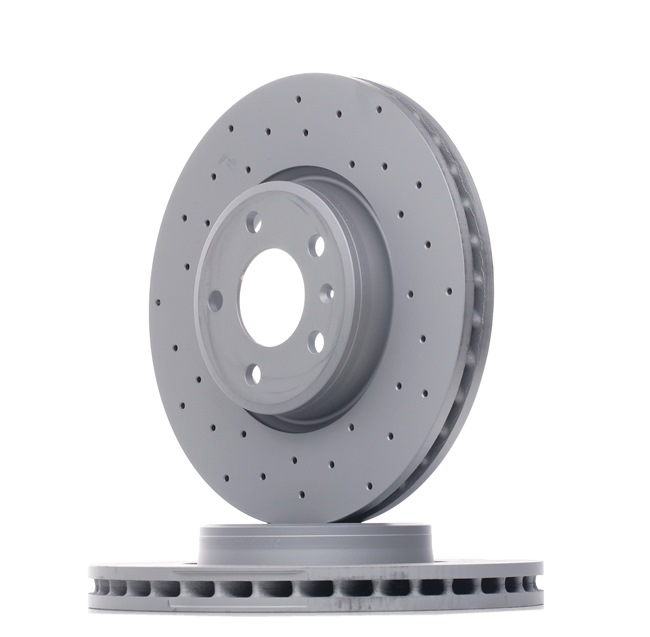
Brake disc ATE 24.0130-0244.1 318,0x30,0mm, 5x112,0, Vented


Brake disc ATE 430244
- Diameter: 318,0
- Brake Disc Type: Vented
- Number of Holes: 5
- Bolt Hole Circle Ø [mm]: 112,0
- Brake Disc Thickness: 30,0
- Minimum thickness [mm]: 28,0
- Centering Diameter [mm]: 68,0
- Inner Diameter [mm]: 149,3
- Height: 57,2
- Surface: Coated
- Machining: High-carbon
- MAPP code available
- Test Mark: E1 90R-02C0115/0201
- Bore Diameter [mm]: 15,3
- Supplementary Article / Supplementary Info Info 2: with bolts/screws
- Drilled: no
- Condition: New
Check the OE number
ATE 24.0130-0244.1 Brake disc – Key Features & Performance
The ATE 24.0130-0244.1 Brake disc represents a technical benchmark in rotational deceleration, combining superior thermal stability with high-carbon metallurgy for optimal friction surface integrity. By managing thermal expansion effectively, this component minimizes warping during high-load events to ensure consistent pedal feedback. Engineering precision ensures that these units meet rigorous thickness variation tolerances, providing mechanics with reliable, fit-for-purpose hardware for high-performance braking systems.
Establishing durability for demanding driving conditions
Implementing heavy-duty components reduces the frequency of mechanical intervention required throughout the service interval. A wear-resistant surface structure ensures that the ATE 24.0130-0244.1 Brake discs maintain their geometry under intense physical stress. Providing a long service life is essential for maintaining vehicle safety standards in varied environmental conditions. Engineers prioritize high durability to ensure the metal remains stable despite repeated expansion cycles. An extended lifespan is further guaranteed by the inherent strength of the casting, supporting long-lasting operational readiness without premature surface degradation.
Achieving premium class standards for reliable braking
Modern vehicle maintenance relies on OE quality components that adhere to stringent safety mandates. Selecting top quality hardware ensures that the ATE 24.0130-0244.1 Brake disc set meets or exceeds original manufacturer specifications for dimensional accuracy. Choosing professional grade metallurgy facilitates a precise mating surface for friction pads, which is crucial for consistent deceleration. Drivers benefit from premium quality construction, which prevents the inconsistencies often found in secondary market options. Integrating premium parts from top-tier brands remains the most reliable method for restoring factory-level handling characteristics.
Advanced protective layer for coated discs
Utilizing a robust anti-rust coating prevents the oxidation of non-friction surfaces, which often leads to structural compromise over time. These painted components arrive ready for installation without the need for manual cleaning or degreasing. When specifying coated variants, the installation time is significantly reduced, ensuring that the visual aesthetic remains clean behind alloy wheels. The 24.0130-0244.1 ATE Rotors benefit from this specialized finish to avoid long-term material decay in wet or saline road environments.
Optimised thermal dissipation efficiency for cooling efficiency
The internal architecture utilizes improved cooling to manage the energy absorbed during frequent stopping sequences. Efficient fast heat dissipation is facilitated by the strategic placement of cooling channels throughout the rotor assembly. By employing optimised airflow techniques, the disc prevents heat soak from reaching the hub and bearing components. ATE 24.0130-0244.1 Brake discs benefit from a design that prioritizes temperature management, ensuring that the braking system remains operational under heavy usage. Maintaining a ventilated configuration allows for consistent pressure distribution across the pad surface.
Reliable thermal stability and heat resistance
Managing heat effectively requires hardware that handles high heat without losing mechanical rigidity. The high temperature resistance inherent in these units ensures that the friction coefficient remains stable during repeated stops. Superior thermal stability prevents the common issues of fading associated with inferior casting alloys. Choosing heat resistant hardware ensures that the disc maintains its flatness even when operating at the edge of its thermal envelope. Incorporating fade-resistant materials into the manufacturing process remains standard for high-performance automotive applications.
Internal configuration of the ventilated discs
Precision-engineered cooling vanes allow for the rapid evacuation of hot air from the centre of the rotor. These ventilated components are vital for dissipating the heat generated by large brake calipers. An optimised airflow design works alongside the disc rotation to draw cool air into the internal cavity continuously. ATE 24.0130-0244.1 Disc brakes utilize this internally ventilated layout to ensure rapid recovery after intensive braking events.
Consistent force delivery and braking performance
High friction performance is achieved through the precise balance of pad-to-rotor contact area. Achieving maximum stopping power relies on the integrity of the contact face and the uniformity of the disc surface. Enhanced improved braking efficiency is a direct result of the strict manufacturing tolerances applied during production. Consistent strong braking force is necessary to provide the driver with confidence in unpredictable traffic scenarios. Ensuring high braking performance remains a primary objective during the material selection phase of production.
Reputation of manufacturers and top brands
Selecting components from quality brands provides an assurance of material consistency and testing rigour. Reputable manufacturers invest in simulation technology to predict how the rotor will behave under extreme load. Engineers often specify well-known brands to ensure that the aftermarket replacement matches the original vehicle dynamics. The best brake disc brands utilize advanced casting methods that reduce impurities within the metal. Trusting in trusted brands ensures that the vehicle remains compliant with safety legislation.
ATE 24.0130-0244.1 Brake discs: Key Performance and Safety Highlights
The 24.0130-0244.1 ATE rotors provide a balanced solution for modern braking systems. These units ensure reliability across a wide range of operational conditions. The table below outlines the primary functional benefits provided by this equipment.
| Braking Attribute | Performance Benefit |
|---|---|
| Extended service life | long service life |
| High-end quality segment | professional grade |
| Protective anti-corrosive coating | anti-rust coating |
| Heat dissipation efficiency | cooling channels |
| Thermal stability | thermal stability |
| Internally vented design | cooling vanes |
| Stopping power | improved braking efficiency |
| Brand positioning | well-known brands |
The ATE 24.0130-0244.1 Brake disc demonstrates the technical capability expected from premium-tier engineering. By utilising an extended lifespan, these units offer a significant reduction in long-term maintenance overheads. Professional workshops specify these components to guarantee consistent mechanical performance for demanding end-users.
Why the ATE 24.0130-0244.1 Brake disc is an Excellent Choice
Installation of this product provides OE quality results, ensuring the friction interface is perfectly matched to high-performance pad compounds. The cost-per-mile analysis confirms that these rotors resist premature thinning better than standard aftermarket alternatives. Mechanics benefit from the straightforward fitment process, which respects the original hardware requirements of the vehicle manufacturer. This investment in quality ensures safety and predictability on the road.
For a technical assessment, the ATE 24.0130-0244.1 provides a robust balance between structural rigidity and thermal management. ATE 24.0130-0244.1 Brake disc set geometry remains consistent, even when subjected to heavy-duty usage cycles. By selecting ATE 24.0130-0244.1, you are opting for a validated engineering solution that prioritises mechanical durability. Please contact our technical desk for specific torque settings and bedding-in procedures for your vehicle model.




![ATE Brake discs Minimum thickness [mm]: 28,0 430244 with American Express pay](/assets/common/images/svg/payments/american_express.svg?v=1777553949)
![Brake rotors Centering Diameter [mm]: 68,0 (ATE, 24.0130-0244.1) with Bank Transfer pay](/assets/833652/images/svg/payments/en/unicredit_bank.svg?v=1777953479)